
Pakistan Accelerated Vehicle Electrification (PAVE) Program 2025
Pakistan has taken a major step towards clean and affordable mobility with the launch of the Pakistan Accelerated Vehicle Electrification (PAVE) Program 2025. This government-backed initiative is part of the broader New Energy Vehicle (NEV) Policy 2025–30. The policy is designed to promote the use of electric vehicles (EVs) across the country. Rising fuel costs, environmental concerns, and the growing need for sustainable transport have made EV adoption a top priority. PAVE aims to make this transition faster, easier, and more affordable for ordinary citizens.

The program introduces subsidies on electric motorcycles, rickshaws, and cars. It also ensures that every group of society can benefit from the scheme. Special quotas have been announced for students, women, low-income families, delivery riders, overseas Pakistanis, and persons with disabilities. Thousands of vehicles are expected to be distributed in the first phase. With this effort, the scheme is set to bring visible change to the roads of Pakistan.
The program introduces subsidies on electric motorcycles, rickshaws, and cars. It also ensures that every group of society can benefit from the scheme. Special quotas have been announced for students, women, low-income families, delivery riders, overseas Pakistanis, and persons with disabilities. Thousands of vehicles are expected to be distributed in the first phase. With this effort, the scheme is set to bring visible change to the roads of Pakistan.
If you also want to apply for more program then visit Ehsaas Program CNIC check online.
What Is The PAVE Program 2025?
The PAVE Program is a flagship effort of the Government of Pakistan to accelerate electric vehicle adoption. It is supervised by the Engineering Development Board (EDB) under the Ministry of Industries & Production. The main goal is to provide affordable EVs to citizens. At the same time, it helps reduce reliance on imported fuel and lower carbon emissions. By offering electric motorcycles, rickshaws, and cars at reduced prices, the program supports daily commuters as well as small businesses that depend on transport.
The program also focuses on building a strong ecosystem for electric mobility. It encourages local assembly of EVs and promotes investment in battery production. Work is underway to expand charging infrastructure in major cities. These steps are expected to create new jobs and lower transport costs. They will also help Pakistan meet its climate commitments under international agreements. In simple words, PAVE is more than just a subsidy scheme. It is a structured plan to reshape the future of mobility in the country.
Under Phase-1 (2025–26), the government has announced the distribution of:
Each category comes with government subsidies, making EVs significantly cheaper than regular petrol vehicles.
Subsidies And Benefits Of PAVE 2025
The government has introduced generous subsidies to make electric vehicles more appealing. Motorcycles can receive up to Rs. 20,000 off, rickshaws get Rs. 80,000, and cars may save up to Rs. 290,000 on their purchase price. Top EV brands like Crown Electric Bikes sweeten the deal further by offering an extra Rs. 50,000 subsidy paired with 0% interest installment plans.
Banks & Financing Partners
To keep EVs affordable, the PAVE Program has partnered with a range of major banks. Here’s how they help make financing easy:
These loans are designed to cover the remaining cost after subsidies, making EV ownership possible even for middle-income families. Thanks to extensive branch networks, applicants from all provinces have easy access.
Innovative Financing Solutions
Beyond the core banks, other institutions are offering unique green financing deals:
Eligibility Criteria for PAVE Program 2025
To ensure fair access, the government has set clear eligibility rules for applicants. Anyone interested in buying an EV under the PAVE subsidy scheme must meet the following criteria:
Step-by-Step Application Process – PAVE Registration 2025
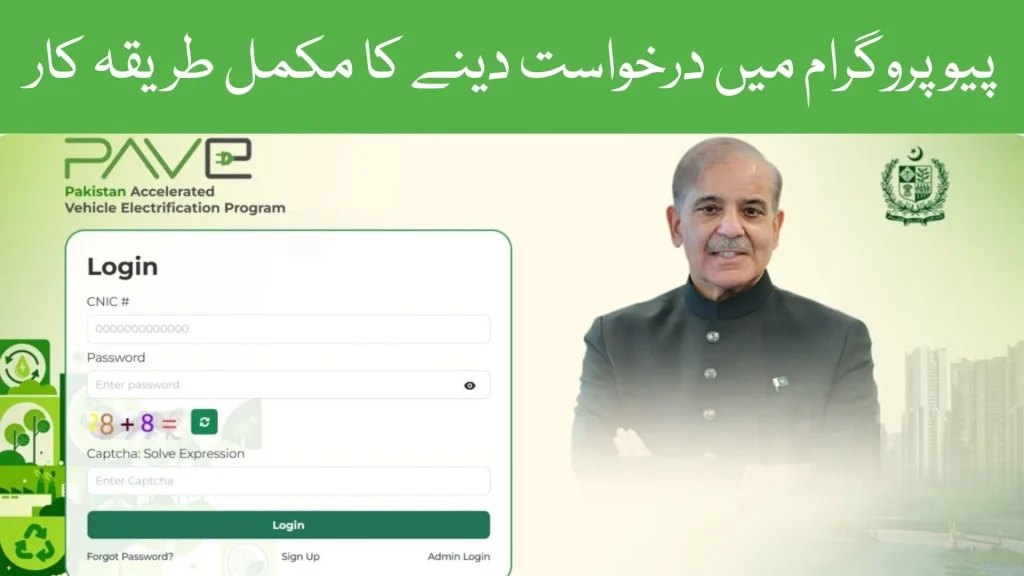
Applying for the PAVE EV Scheme is simple and fully online. The last date to apply is 30 September 2025, so applicants should complete their registration before the deadline. Here’s the process:
Vehicle Options Under PAVE
The program includes multiple EV models to suit different users. Electric motorcycles are the most popular choice, ideal for students, delivery riders, and daily commuters. Rickshaws and loaders are designed for small businesses and commercial transport, helping drivers reduce costs while earning more.
Brands like Crown and Yadea are actively participating in the scheme, offering warranty packages and installment plans. Some models even come with up to 4 years of battery and motor warranty, giving buyers peace of mind.
Popular Vehicle Options Under PAVE
Electric Motorcycles
Electric Rickshaws & Loaders
EV Cars
Brand Support
Strategic Importance Of The Program
Beyond subsidies, the PAVE Program is part of Pakistan’s long-term energy and climate strategy. It links directly to the New Energy Vehicle (NEV) Policy 2025–30, which sets ambitious adoption goals. The government plans for 30% of all new vehicle sales to be electric by 2030. This share will increase to 50% by 2040, and the ultimate goal is 100% electrification by 2060.
The program goes far beyond just cheaper bikes and rickshaws. It is expected to transform Pakistan’s entire transport sector.
For more details about the PM Punjab Scheme and how it benefits students, PM E-Bike Distribution.
Key Impacts Of The PAVE Program
Fuel Savings
Cleaner Air
Local Industry Growth
Social Inclusion
Comparison Of EVs Vs Petrol Vehicles in Pakistan
|
Vehicle Type |
Running Cost (EV) |
Running Cost (Petrol) |
Yearly Savings (Approx.) |
Maintenance Cost |
|
Electric Bike |
Rs. 1–2 per km |
Rs. 5–7 per km |
Rs. 25,000 – 35,000 |
Very low (no oil changes) |
|
Electric Rickshaw |
Rs. 2–3 per km |
Rs. 7–10 per km |
Rs. 60,000 – 80,000 |
Lower than petrol rickshaw |
|
EV Car |
60–70% cheaper charging |
Petrol/diesel very costly |
Rs. 150,000+ (annual) |
Much lower (fewer moving parts) |
Conclusion
The Pakistan Accelerated Vehicle Electrification (PAVE) Program 2025 is a landmark step toward making EVs accessible to all. With subsidies, quotas, and interest-free installment options, the government is ensuring that people from all walks of life can adopt clean mobility. Whether you are a student looking for an affordable ride, a delivery rider aiming to save on fuel, or a family seeking a budget-friendly car, PAVE offers something for everyone.
By promoting local manufacturing and creating opportunities for sustainable growth, this program is not only about vehicles but also about shaping a cleaner and greener future for Pakistan. To benefit from this scheme, don’t wait – apply online at pave.gov.pk before the deadline and join Pakistan’s EV revolution.


